
The naughty-or-nice holiday inventory checklist for jewellers
How to stock products that won’t linger after the December rush

Here’s the hard truth: a bad holiday buying season will bottleneck your store’s cash flow for the new year.
The fourth quarter determines the profitability of the fiscal year, routinely accounting for the majority of annual revenue for jewellery and luxury retailers. But overstocking the wrong products could trigger a January hangover of dead capital and dust-gathering display cases, while understocking means watching high-margin sales walk straight to your competitors.
Navigating the holiday season requires ditching gut feelings about product and embracing data-driven guardrails. Before you sign off on another purchase order, get this checklist on your desk to ensure your holiday inventory turns quickly and isn’t left lingering in your showcases by January.
Audit by price point and category
The most common trap for a buyer is over-indexing on high-ticket pieces while ignoring the bread-and-butter inventory that drives daily volume. To prevent this, historical point-of-sale (POS) data from the 2025 holiday season should be evaluated.
When breaking down last year’s sales ledger, look at price-bracket performance. Many retailers discover they are perennially understocked on items priced below $1,000. These are the spontaneous gifts, the secondary presents, and the entry-level luxury items that keep the cash register ringing during peak foot-traffic days. If 40 per cent of last December’s unit volume occurred under the $1,000 mark, but that segment only represents 15 per cent of current open-to-buy allocation, you should rebalance your inventory.

Once the price brackets are aligned, take a look at your sales by core category.
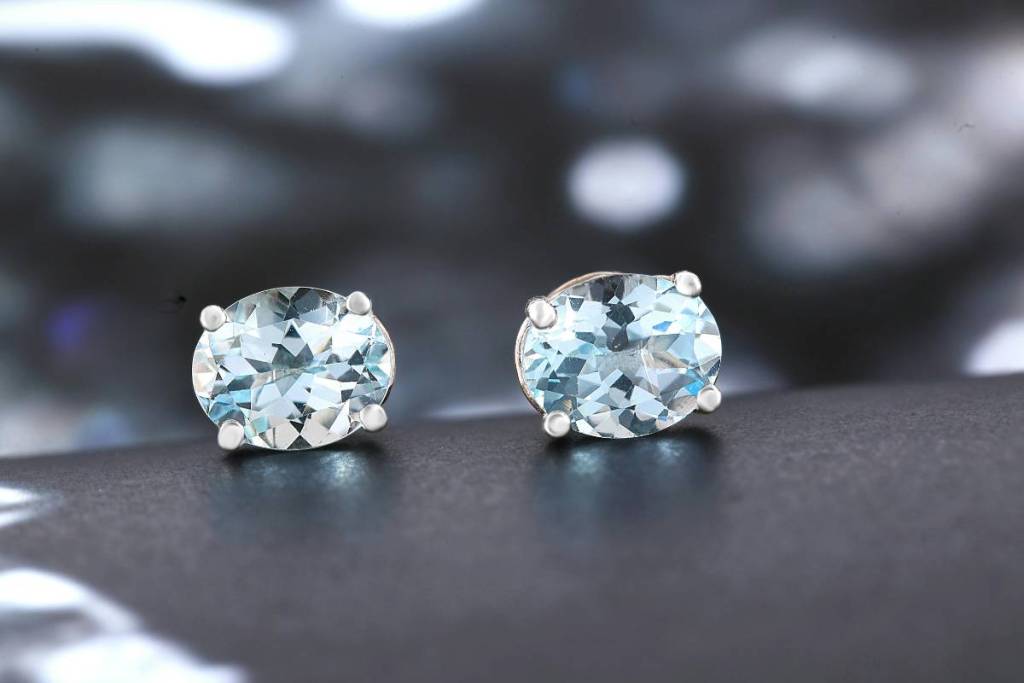
Do you have enough classic diamond stud earrings in stock?
What about tennis bracelets or stackable bands?
Core basics drive holiday volume. Ensure these evergreen categories are sufficiently stocked before committing funds to high-ticket design pieces that have a much longer shelf life.
Leverage asset versus memo inventory
Cash-flow management during the holidays is an exercise in risk mitigation. As buyers finalize their orders, every item must be evaluated through the lens of asset ownership versus memo agreements.
Pre-holiday planning is the ideal time to approach trusted vendor partners to negotiate memo terms, particularly for larger, high-ticket items. Larger carat weight pieces or pieces less common to be sold, such as a 20-carat total weight (ctw) tennis necklace or 5ctw Ceylon blue sapphire ring, carry significant capital risk. If a retailer buys these as owned assets and they do not sell by December 24, valuable capital becomes locked up for several months.
Review the store’s sales history from the last two holiday seasons, specifically looking at luxury price points. If the data shows the store averages two sales of necklaces above $15,000 each December, it is a mistake to purchase five for the showcase. Instead, buy one or two as core assets, and secure an additional three on memo from vendors.
This strategy keeps the showcases looking lavish without exposing risk if demand in this luxury category drops.
Map vendor deadlines and sync sales teams
A beautiful product is entirely useless if it sits in a courier truck on Christmas Eve. One of the most critical pre-holiday tasks is establishing an absolute vendor deadline.
Retailers should reach out to every vendor to secure their final ordering cut-off dates for guaranteed pre-Christmas delivery. These dates vary: a domestic vendor might promise a week turnaround, while an international one may require orders to be finalized by the end of November.
Once compiled, this directory should be printed, digitized, and distributed to your sales team.
The sales staff need to know exactly when the window closes for custom orders. Armed with this knowledge, associates can create a sense of urgency for hesitant clients, closing deals in November that might otherwise have fizzled out in mid-December.
Tighten the custom order pipeline
Custom orders can be a retailer’s highest-margin transactions, but they are also the highest risk for logistical failure during the holiday crunch. To prevent breakdowns, strict protocols should be implemented now.
First, buyers must train the sales team to overcommunicate in their custom order notes. A vague note like “14K engagement ring” without specifying the ring size or including the total carat weight of a semi-mount creates delays, forcing the back office to spend time following up with the associate before an order can even be placed with the vendor.

Sales associates must extract precise details from the client:
■ Is there a hard deadline, such as an anniversary, actual wedding date, or birthday?
■ What are the exact technical specifications? If the order is similar to a stock piece, reference that stock keeping unit (SKU); if a stone needs to be set in-house or by the supplier, ensure it is noted, along with details such as the total carat weight for a semi-mount.
■ What is the client’s preferred method of contact if a delay occurs or when the piece is ready, so they don’t ruin a surprise?
Second, a designated staff member should be assigned to track every special order one week before its scheduled arrival date.
This proactive check allows you to catch vendor delays, shipping bottlenecks, or production errors early enough to manage client expectations or find alternative solutions, saving the sale and protecting the store’s reputation.
Buy for Christmas, plan for Valentine’s Day
While the immediate focus is naturally on the December rush, a forward-thinking buyer looks past the holiday season. The retail calendar offers no breathing room; less than seven weeks after Christmas Eve comes Valentine’s Day, the second-busiest gifting period of the year.
Most vendors take 4-6 weeks to deliver on stock orders. Waiting until January 2 to order Valentine’s Day stock is a recipe for empty showcases in February.
The solution is to merge the buying mindsets. When negotiating with vendors in autumn, negotiate the Valentine’s Day order simultaneously. Arrange for this secondary wave of romantic products—heart necklaces, stackable fashion rings, tennis bracelets, and lower-priced gifting jewellery to arrive at the store in early to mid-January.
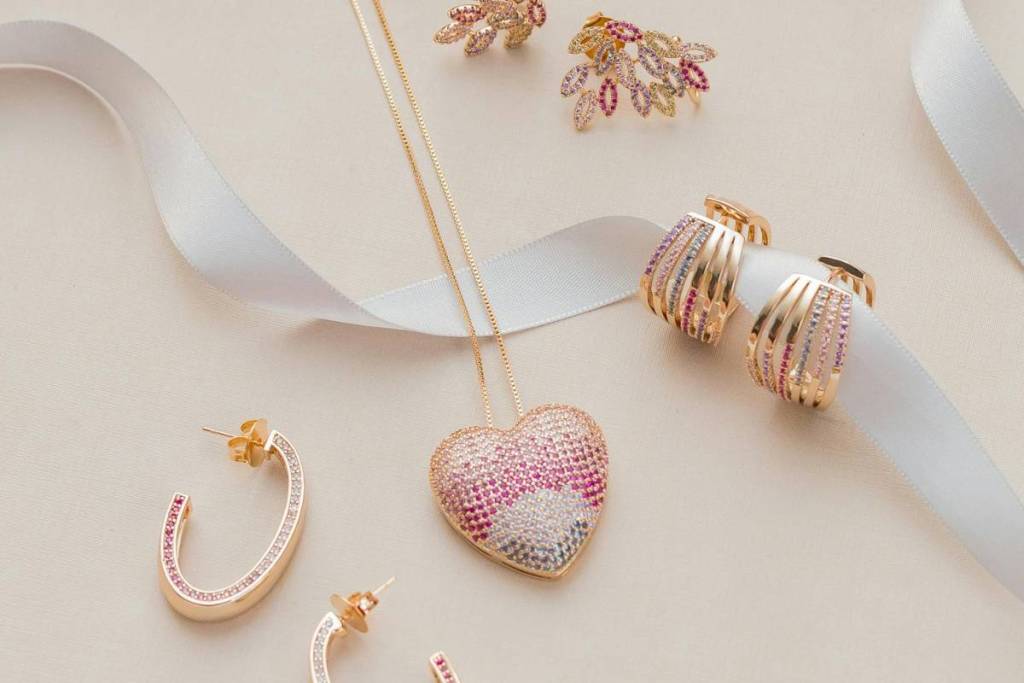
Receiving fresh, targeted merchandise early in the new year ensures the sales floor looks re-energized after the post-holiday markdown clearing, positioning the store to capture early Valentine’s shoppers while competitors are still auditing their leftover winter stock.
The pre-holiday buyer’s desk checklist
Keep this checklist pinned to your desk as a quick reference throughout the ordering season.
|
Phase |
Action Item |
Target Completion |
|
Data Analysis |
Audit 2025 POS data; identify unit volume and most common price points. |
Immediate |
|
Category Check |
Verify stock depth of core basics (e.g., studs, bands) versus fashion pieces. |
Early Autumn |
|
Risk Mitigation |
Contact your top five vendors to secure high-ticket showcase pieces on memo. |
Early Autumn |
|
Logistics |
Compile a master list of final vendor holiday shipping cut-off deadlines. |
Mid-Autumn |
|
Team Alignment |
Share vendor deadlines with sales staff; train on detailed special-order notes. |
Mid-Autumn |
|
Operations |
Implement a mandatory seven-day pre-arrival tracking system for special orders. |
Late Autumn |
|
Forward Planning |
Finalize and schedule January delivery for Valentine’s Day inventory. |
Late Autumn |
Megan Crabtree is the founder & CEO of Crabtree Consulting, a boutique consulting firm with a proven track record of successfully growing jewellery retailers and manufacturers for more than two decades. Known for their unique data-driven approach, they identify barriers and create tailored growth opportunities, fuelling success and helping clients reach their goals in the industry.
Sign up for our newsletter
Get all the latest news and features from Jewellery Business. Submit your email below to get our twice-monthly newsletter.
Products




Read the Latest Issue
