
Today’s trends, tomorrow’s appraisal challenges
The jewellery industry has always evolved alongside fashion, culture, technology, and consumer behaviour. Yet, in recent years, that evolution has accelerated dramatically. Men’s jewellery has moved from a niche category into a major retail focus. Alternative metals have expanded beyond novelty into mainstream bridal and fashion collections. Contemporary consumers are mixing luxury pieces with fashion jewellery, lab-grown gemstones, and unconventional materials in ways previous generations rarely considered.
For retailers and designers, these changes create opportunity.
For jewellery appraisers, they create a new set of challenges.
The modern appraisal profession can no longer rely solely on traditional assumptions about precious metals, gemstones, or long-established market patterns. Today’s jewellery market is far more diverse, trend-driven, and emotionally complex than it was even a decade ago. As jewellery trends evolve, appraisal standards and methodologies must evolve alongside them.
The reality is simple: what consumers are buying today will become the appraisal assignments of tomorrow.
And many appraisers are not fully prepared for what that means.
The expansion of men’s jewellery
One of the most noticeable shifts within the jewellery industry is the rapid expansion of men’s jewellery categories. Historically, men’s jewellery was often limited to watches, wedding bands, cufflinks, or signet rings. Today, the market is considerably broader.
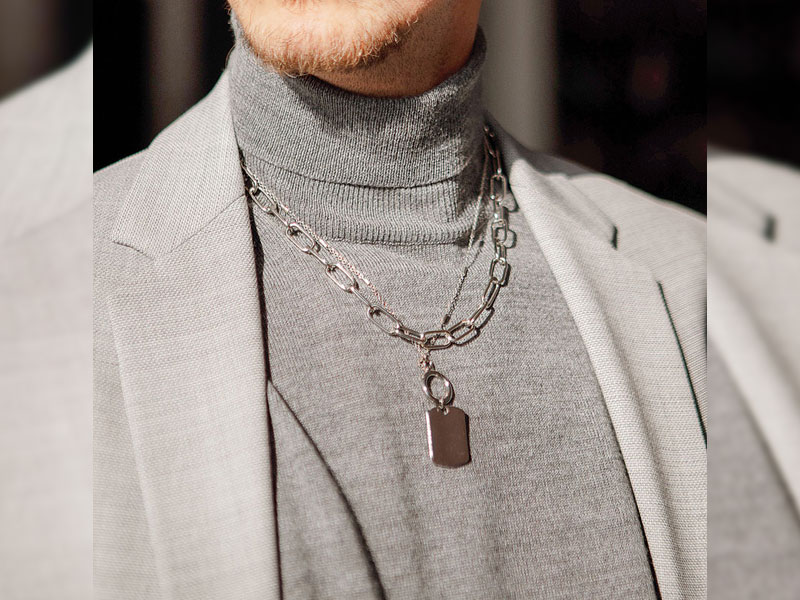
Chains, bracelets, gemstone rings, mixed-metal pieces, black diamonds, leather combinations, and custom-designed statement jewellery are now common across multiple demographics. Younger consumers, social media influence, celebrity culture, and changing fashion norms have all contributed to making jewellery a more visible and accepted part of men’s self-expression.
From an appraisal standpoint, this growth presents important considerations.
Many traditional appraisal templates and valuation approaches were developed primarily around women’s jewellery categories. Men’s jewellery often incorporates different materials, construction methods, finishes, and branding influences. Some pieces emphasize design and craftsmanship over intrinsic metal value. Others derive significant value from branding, limited production, or cultural relevance rather than gemstone quality alone.
This creates a need for appraisers to understand not only materials and manufacturing, but also current market positioning.
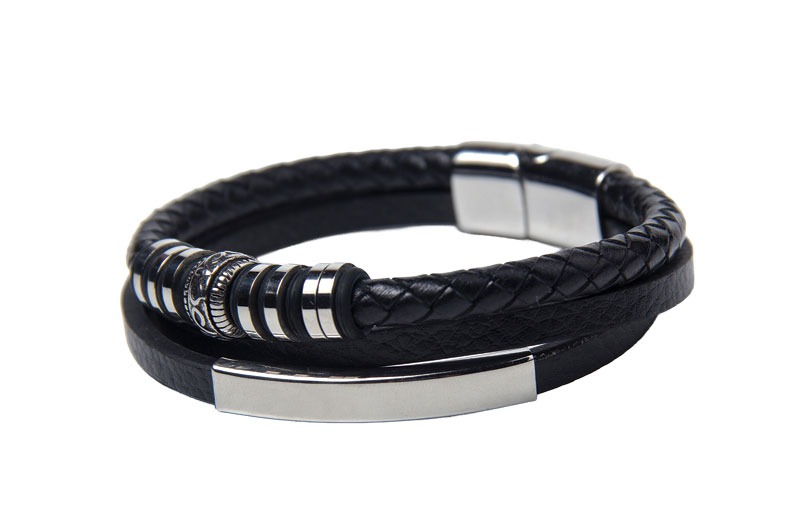
A titanium bracelet with diamond accents may require entirely different replacement sourcing than a traditional gold bracelet. A branded designer chain may carry market significance beyond the weight of its materials. A custom men’s ring combining alternative metals and laboratory-grown diamonds may present documentation challenges that older appraisal formats simply were not designed to address.
As consumer tastes continue to evolve, appraisers must broaden their understanding of what modern jewellery ownership now looks like.
Alternative metals and modern materials
Perhaps no category illustrates the changing landscape more clearly than alternative metals.
Titanium, tungsten, cobalt, stainless steel, zirconium, carbon fibre, ceramic combinations, and other contemporary materials have become increasingly popular across both fashion and bridal jewellery. Consumers are drawn to these materials for their durability, lightweight feel, modern appearance, affordability, and perceived individuality.
However, these same qualities can complicate the appraisal process.
Unlike traditional gold or platinum jewellery, alternative metals often present unique identification, repair, and replacement issues. Some cannot be resized conventionally. Others are difficult to repair entirely. Certain materials scratch differently, polish differently, or must be replaced rather than restored after damage.
From an insurance perspective, this matters greatly.
An appraisal is not simply about assigning a number. It is about documenting what exists today while anticipating what would reasonably be required to replace that item tomorrow. If replacement sourcing is limited, if manufacturing methods differ, or if repair possibilities are restricted, those realities must be reflected in the documentation.
Consumers frequently assume that all jewellery functions similarly regardless of material. Yet, alternative metals can behave very differently from traditional precious metals in both wearability and replacement logistics.
For appraisers, detailed documentation becomes increasingly critical.
The more unconventional the material or construction, the more important it becomes to accurately identify components, finishes, manufacturing methods, trademarks, and design features. General descriptions that may once have been acceptable are no longer sufficient in many modern assignments.
Fashion trends vs. long-term value
Another growing challenge within modern jewellery appraising is the intersection between fashion trends and long-term market value.
Fashion has always influenced jewellery design. However, social media and digital retail environments have accelerated trend cycles dramatically. Consumers are now exposed to new esthetics almost daily. Styles that become highly desirable one season may lose popularity rapidly the next.
This creates an important distinction between emotional appeal, retail popularity, and lasting market relevance.
Many clients assume that popularity automatically translates into future value retention. Unfortunately, that is not always the case.
Appraisers must carefully separate fashion desirability from objective market analysis. A highly fashionable piece may command strong retail pricing today while having a much narrower resale or secondary market tomorrow. Conversely, some contemporary designs may eventually become highly collectible due to craftsmanship, innovation, or cultural significance.
Predicting long-term collectability is never simple.
However, understanding current market positioning remains essential.
This is particularly important when documenting custom-designed jewellery, branded collections, or trend-focused pieces that may not fit neatly into traditional valuation frameworks.
Clients are also increasingly emotionally connected to jewellery purchases that reflect identity, personal milestones, or self-expression rather than purely investment-based motivations. Men’s jewellery, alternative materials, and fashion-forward design often carry strong personal meaning even when secondary market demand may fluctuate.
The role of the appraiser is not to diminish emotional significance. It is to provide clarity, documentation, and professional interpretation within an evolving marketplace.
Consumer expectations are changing
Today’s consumers are also more informed—and more overwhelmed—than ever before.
They research online. They compare prices instantly. They encounter conflicting information about natural versus laboratory-grown diamonds, precious metals, treatments, branding, and value retention across multiple platforms.
As a result, consumers increasingly seek reassurance.
They want transparency.
They want explanations.
They want confidence in their purchases.
This places appraisers in a unique and increasingly important position within the jewellery industry.
Modern appraising is no longer simply technical analysis hidden within formal paperwork. It has become part of broader consumer education and trust-building.
Clients often arrive with uncertainty:
- Why does one piece cost significantly more than another?
- Does branding matter?
- Will alternative metals hold value?
- Are laboratory-grown diamonds treated differently in appraisals?
- What actually determines replacement value?
The ability to communicate clearly has become just as important as technical expertise.
Appraisers who can explain valuation concepts in understandable language help reduce confusion and build consumer confidence. Those who remain disconnected from current retail trends risk appearing outdated or inaccessible to modern clients.
Why trend awareness matters
One of the greatest misconceptions about jewellery appraising is that it exists separately from the retail marketplace.
In reality, appraisers must remain deeply connected to industry changes.
Retail trends influence sourcing.
Consumer behaviour influences demand.
Manufacturing innovations influence replacement possibilities.
Fashion influences market perception.
An appraiser who is unfamiliar with emerging jewellery categories may struggle to properly document or contextualize modern pieces. Likewise, outdated assumptions about what consumers purchase or value can create inaccurate or incomplete reports.
Trend awareness does not mean chasing every passing fashion movement. It means understanding how evolving consumer behaviour affects the jewellery
landscape overall.
The profession requires continuous learning.
That includes:
- monitoring changing market trends
- understanding new materials
- recognizing evolving consumer expectations
- staying informed about manufacturing developments
- and adapting documentation standards accordingly
Jewellery itself has changed significantly over the past decade.
The appraisal profession must continue changing as well.
The future of jewellery appraising
The future of jewellery appraising will likely become even more complex.
As personalization increases, more consumers are choosing custom designs, mixed materials, unconventional gemstones, and non-traditional jewellery categories. Digital commerce continues to expand access to global brands and emerging designers. Younger generations often prioritize individuality and design identity over traditional luxury expectations.
All of this affects valuation work.
The appraiser of the future will need more than gemmological knowledge alone. They will need market awareness, communication skills, adaptability, and an understanding of how fashion, branding, technology, and consumer psychology intersect with valuation.
At its core, jewellery appraising remains built on trust.

Clients trust appraisers to document accurately, communicate honestly, and provide defensible professional opinions. That responsibility becomes even more important as the marketplace grows more diverse and complex.
Today’s jewellery trends are not simply passing fashions. They are shaping the future of appraisal work itself.
And the appraisers who remain curious, informed, and adaptable will be the ones best prepared for what comes next.
Karen Howard, FCGmA, RMV, is a veteran gemmologist, best-selling author (From Start to Success), and former appraisal business owner with more than 30 years in the jewellery trade. Through her platform, Jewellery Appraisers Coach, she now coaches new appraisers to overcome the challenges of their first year in business—covering everything from client communication to ethical practices. Her work has been featured by more than 20 media outlets, including Yahoo Finance, Fox4, NBC, and WGN Chicago, highlighting her contributions to professional standards and training in the appraisal industry. https://jewelleryappraiserscoach.com.
Sign up for our newsletter
Get all the latest news and features from Jewellery Business. Submit your email below to get our twice-monthly newsletter.
Products

Read the Latest Issue
